
Overview of Park Guell
About Park Guell Dragon
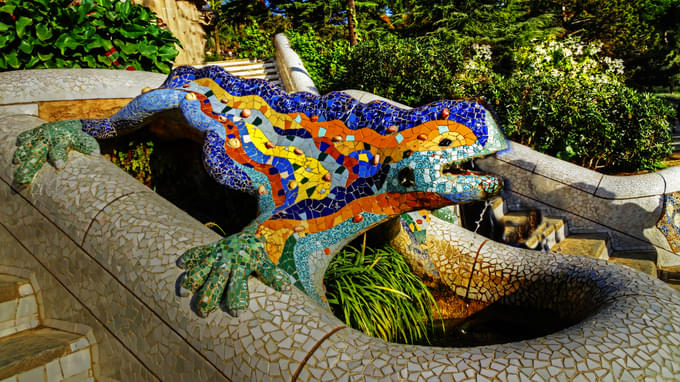
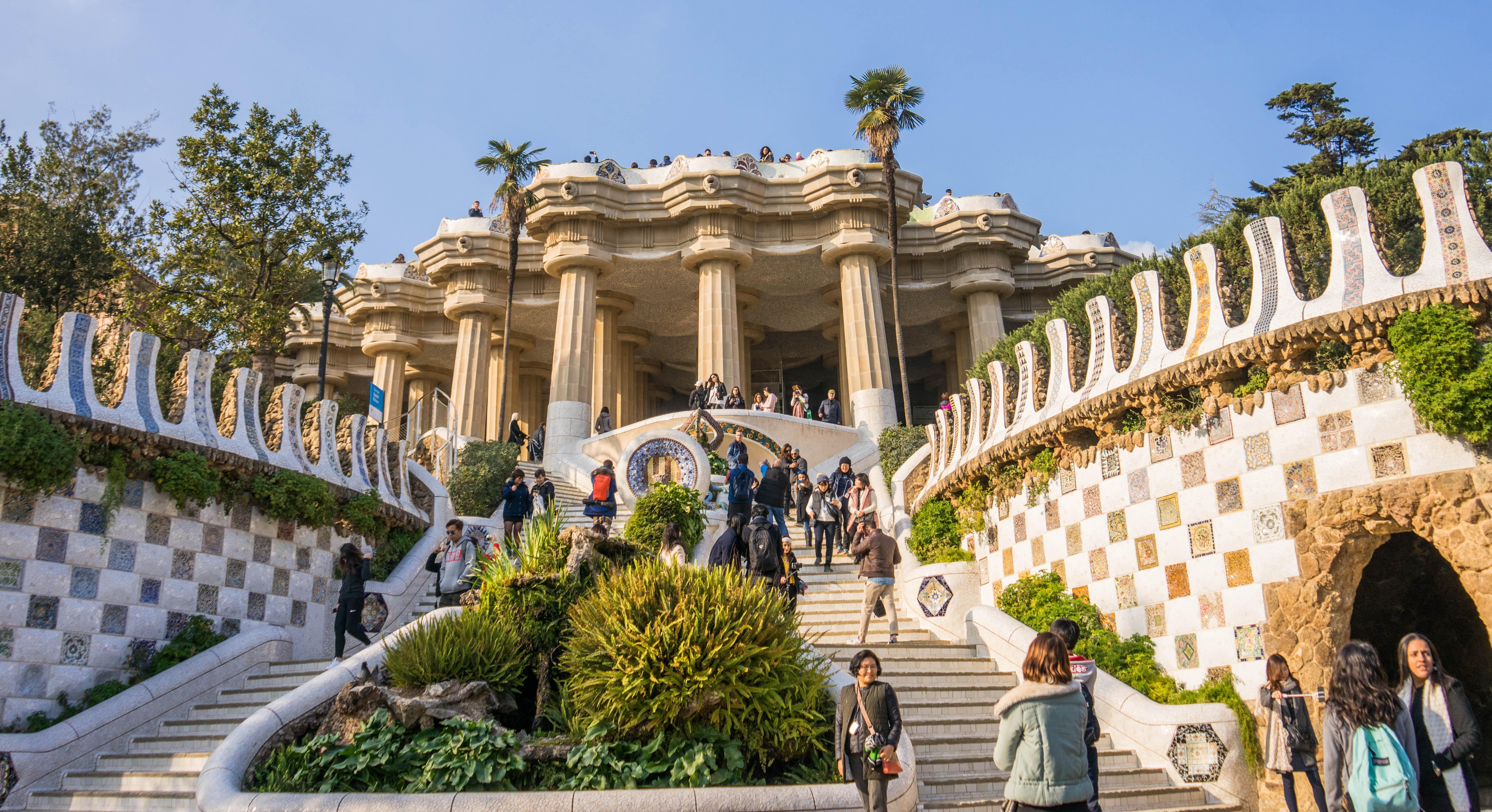
As you approach the entrance esplanade of Park Güell, it is hard to miss the stunning stairway that leads to the main entrance of the park. The stairway features two grand white staircases with a scaly balustrade and charming little nooks filled with lush shrubbery, flower beds, and trickling dragon fountains. Surrounded by two walls with merlons that form terraces, the stairway features two grottos beneath it, with the one on the right serving as a waiting shelter. The stairway has several landings, with the first featuring whimsical creatures such as goblins, while the second landing boasts the emblem of Catalonia.
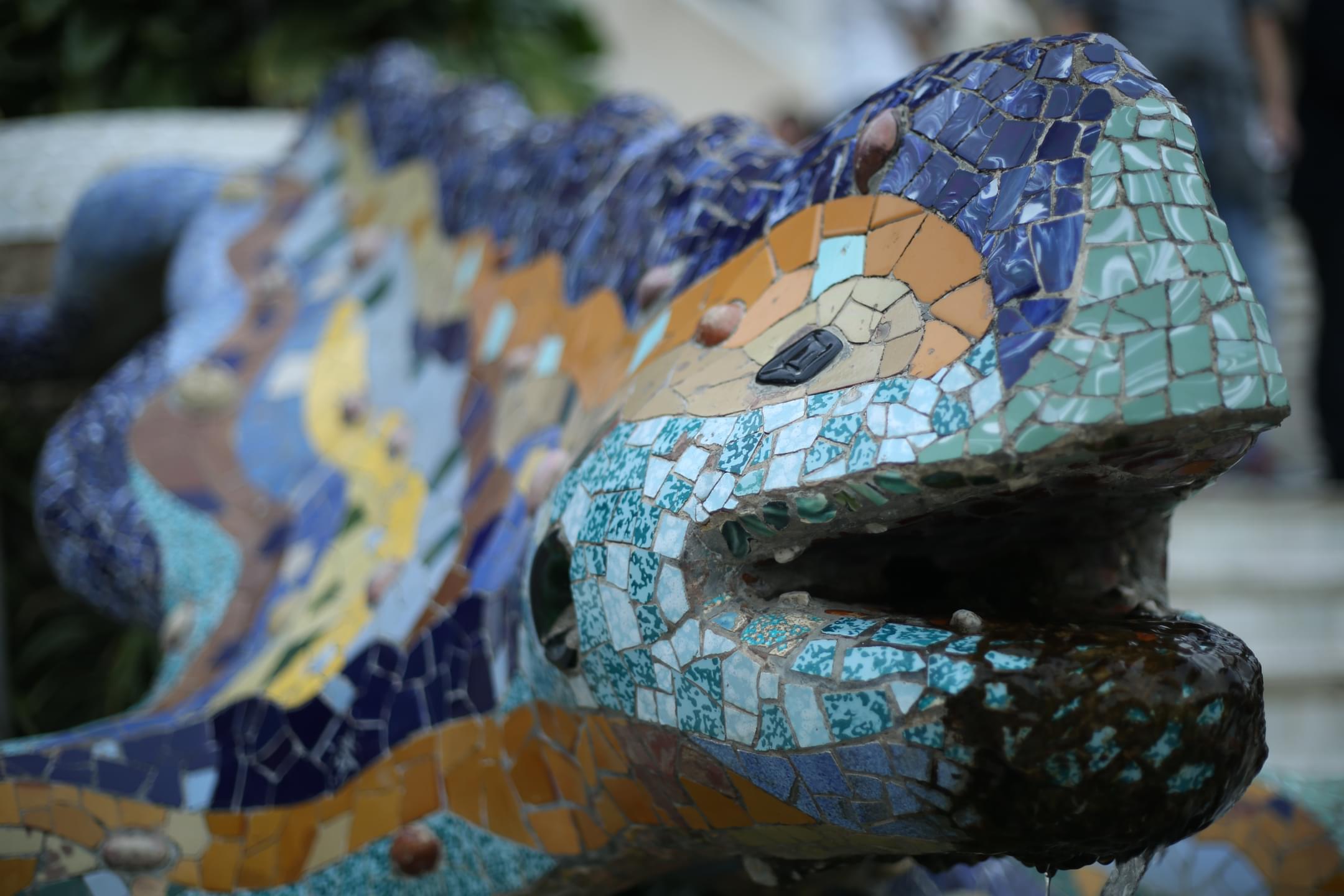
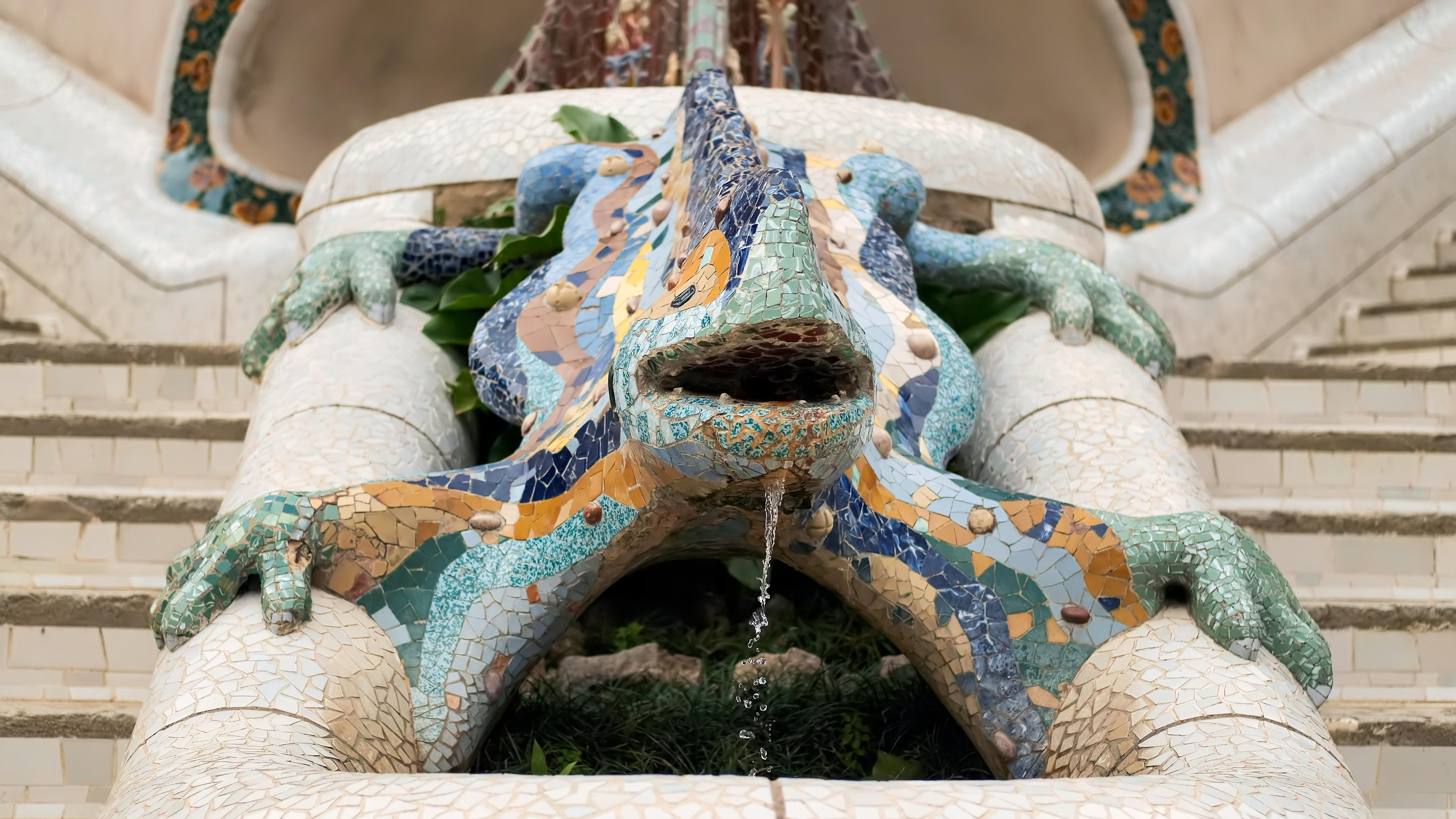
As you climb higher up the stairway, you will eventually come across the Park Guell Dragon or salamander, an iconic symbol of the park and the city of Barcelona. This stunning work of art has become a defining feature of Park Güell's history and a must-see for visitors.
Finally, on the last flight of steps, you will find yourself under the shelter of the hypostyle room, where you can take a moment to relax on the Odeon, a bench shaped like a Greek theater. Overall, the Park Guell Dragon and the beautiful stairway leading up to it are a testament to the creativity and artistry that make Park Güell such a unique and beloved attraction in Barcelona.
Other Animals found in Park Güell
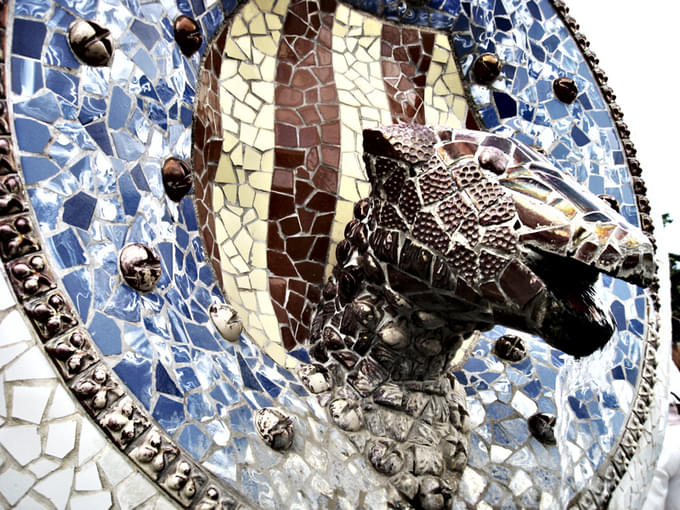
One of the most notable animal structures is the beautiful snake at the entrance of the Park, which is surrounded by the iconic Catalan flag. This creation is said to represent Nejustan, the snake on the staff of Moses, paying tribute to Gaudi's Catalan roots.
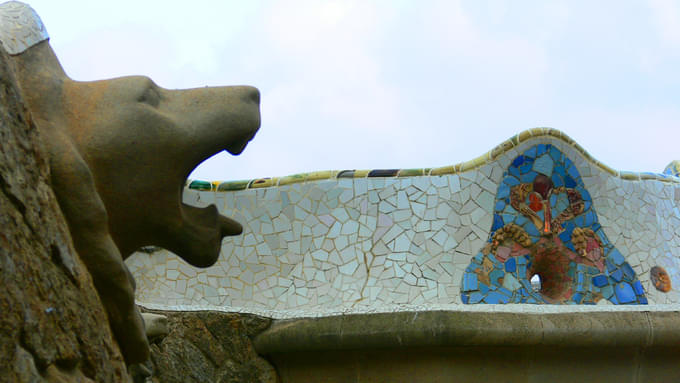
The lion heads lining the balcony also catch the eye of visitors. Beyond their decorative beauty, these lion heads act as a drainage system for the balcony itself, demonstrating the seamless integration of form and function in Gaudi's designs.
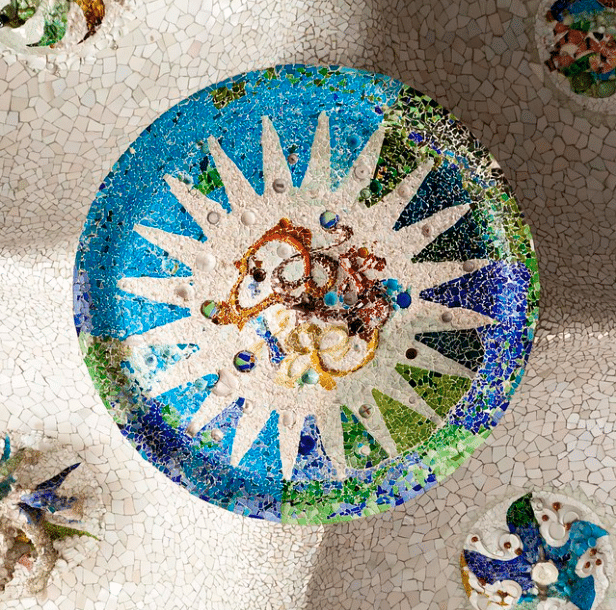
Another fascinating animal creation is the massive octopus located in the Hypostyle Room. This intricate mosaic design is meant to represent the water system that spreads through the inside of the roof, and its vibrant colors and intricate details are a testament to Gaudi's unparalleled creativity.
Know before you go Park Guell
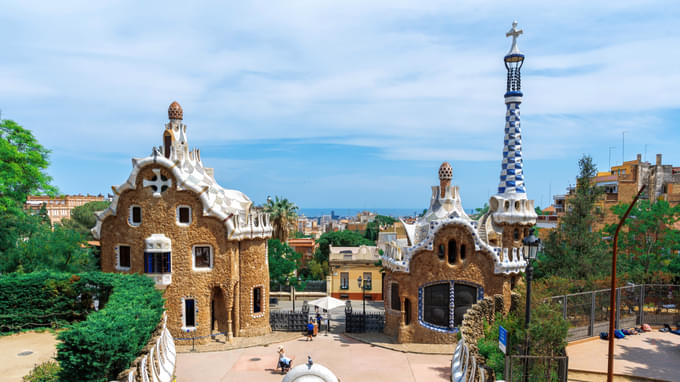
Best time to Visit
The best time to visit Park Guell in Barcelona is during the shoulder seasons of spring (March to May) and autumn (September to November). These seasons offer milder temperatures, fewer crowds, and more pleasant weather for exploring the park's outdoor spaces. Avoid visiting during the summer months (June to August) as temperatures can be hot and the park can be very crowded, leading to long wait times for entry.
Location
d'Olot, s/n, 08024 Barcelona, Spain
Opening Hours
- The opening hours of Park Guell vary depending on the season.
- From November to February: The park is open from 8:30 am to 6:30 pm.
- From March to May and from August to October: The park is open from 8:00 am to 8:30 pm.
- During the peak summer months of June and July: The park is open from 8:00 am to 9:30 pm.
.jpg?w=340&dpr=2)
By Metro: Take the Green Line (L3) to the Lesseps or Vallcarca stations, both of which are a 20-25 minute walk from the park.
By Bus: The H6, D40, 24, 32, and 92 buses all stop near Park Guell.
By Taxi: You can take a taxi from anywhere in the city directly to Park Guell.
By Car: There is a paid parking lot near the main entrance to the park.
FAQ’s of Park Guell Dragon
What does the Park Guell Dragon symbolize?
The Park Guell Dragon is said to symbolize the strength and vitality of Catalonia, the region where Barcelona is located.
How big is the Park Guell Dragon?
The Park Guell Dragon is about 3 meters long and is made of ceramic tiles.
Is there an entrance fee to see the Park Guell Dragon?
Yes, there is an entrance fee to access the Monumental Zone of Park Guell, where the Park Guell Dragon is located.
Is the Park Guell Dragon accessible for people with disabilities?
Parts of Park Guell are accessible for people with disabilities, but due to its location on a hill, some areas may be challenging to access.
Is the Park Guell Dragon the only animal sculpture in Park Guell?
No, Park Guell is home to several animal sculptures designed by Gaudi, including a salamander, a snake, and a mosaic lizard.
Barcelona Itinerary